
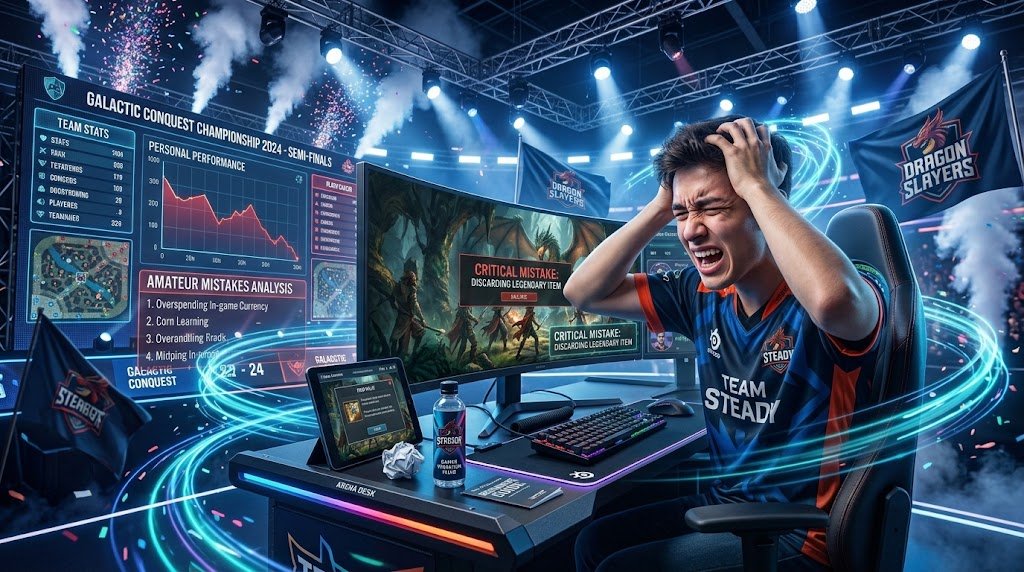
Starting out in gaming is exciting. Every new title brings a fresh world to explore, and every early victory feels like a big accomplishment. But new players often run into the same avoidable problems, from misjudging their hardware to burning out after a few rough matches. Recognizing these mistakes early can save you money, frustration, and a lot of wasted time. Here are ten common pitfalls beginners should watch out for, along with practical ways to avoid them.
1. Buying Hardware Before Knowing What You Need
It is tempting to chase the most powerful console or PC on the market, but spending heavily before you know what kind of games you enjoy is a costly mistake. Some players love competitive shooters that reward high frame rates, while others prefer slower, story-driven adventures that run well on modest machines.
Before buying, check the minimum and recommended system requirements for the games you want to play, and research whether a console exclusive or a PC version better fits your library. A mid-range setup that runs your favorite games smoothly is often a better investment than a top-tier machine that sits underused.
2. Ignoring Settings and Graphics Options
Many beginners launch a game and never open the settings menu. That is a missed opportunity. Graphics options, control layouts, sensitivity, subtitles, and accessibility features can dramatically change how a game looks and feels. Lowering shadows or draw distance can boost performance without a noticeable loss in quality, while adjusting mouse sensitivity can make aiming feel far more natural. Spending ten minutes exploring the options before your first session can make the entire experience smoother and more enjoyable.
3. Skipping the Tutorial
Tutorials may feel slow, especially when you are eager to jump into the action, but they often teach mechanics that are essential later. Skipping them can leave you confused when a game introduces systems like crafting, stealth, or combo attacks.
Even experienced players sometimes overlook small details that make a difference. Taking the time to learn the basics, including button prompts, movement techniques, and menu navigation, builds a foundation that makes everything after it easier to understand.
4. Playing Without Taking Breaks
Long sessions can feel rewarding in the moment, especially when you are close to unlocking something or finishing a mission. But playing for hours without a break leads to eye strain, stiff muscles, poor decision-making, and irritability. Fatigue also makes it harder to learn, because your concentration fades and mistakes multiply. Set a timer for breaks, stand up every hour, and step away when you notice your focus slipping. Gaming should be something you return to refreshed, not something that leaves you drained.
5. Comparing Yourself to Skilled Players
Watching professional players and streamers can be inspiring, but it can also make beginners feel discouraged. Those players have often spent thousands of hours refining their skills, and their highlight reels rarely show the failures that came before.
Judging your progress against them leads to frustration and can make you want to quit. Instead, measure yourself against your own past performance. Celebrate small improvements, like surviving longer, hitting a new score, or understanding a mechanic you struggled with last week.
6. Refusing to Ask for Help or Use Guides
Some players feel that looking up a hint or watching a walkthrough is cheating. In reality, guides are a valuable learning tool, especially when a game’s design is obscure or a puzzle has you stuck for an hour. The key is balance. Try to solve challenges on your own first, then consult a guide when you have genuinely exhausted your options. Community forums and beginner-friendly Discord servers can also provide useful tips without spoiling the experience.
7. Neglecting Physical Comfort
Gaming is a physical activity, even if it does not feel like one. Poor posture, a cramped desk, and a chair that offers no support can lead to back pain, neck tension, and sore wrists. Many beginners set up their gaming space on whatever surface is available and never think about it again. Adjusting your chair height, positioning the screen at eye level, and keeping your wrists relaxed can prevent problems that would otherwise build up over months. Comfort is not a luxury; it directly affects how long and how well you can play.
8. Chasing Every New Release
The pressure to keep up with the latest games is strong, especially with constant marketing and social media buzz. Buying every new release quickly drains your budget and leaves a growing backlog of unplayed titles. A better approach is to focus on a few games you genuinely enjoy and explore them deeply. Wait for sales, check reviews, and consider older titles that often have lower prices and complete editions with all expansions included. Playing fewer games more thoroughly usually brings more satisfaction than sampling many and finishing none.
9. Overlooking Online Etiquette and Safety
Online multiplayer can be social and fun, but it also comes with toxic behavior, scams, and privacy risks. Beginners sometimes share personal information, click suspicious links offering free currency, or respond aggressively to teammates who criticize their play. Protecting your account with a strong, unique password and two-factor authentication is essential. Mute or report players who harass you, and avoid sharing your address, phone number, or payment details with strangers. Being a good teammate, communicating clearly, and staying calm under pressure also makes online play more pleasant for everyone.
10. Giving Up Too Early
Many games have a steep learning curve, and the first few hours can feel frustrating. Losing repeatedly or struggling with a difficult boss is a normal part of learning, not a sign that you lack talent. Quitting too soon means missing out on the moments that make a game memorable. If you hit a wall, try a different difficulty level, change your approach, take a short break, or switch to another game for a while and return with fresh eyes. Persistence, combined with a willingness to adapt, is one of the most valuable skills any gamer can develop.
Conclusion
Most beginner gaming mistakes come down to the same few themes: rushing decisions, ignoring the basics, and letting frustration or comparison take over. Buying hardware that fits your needs, exploring settings, learning from tutorials, and protecting your body and online safety all lay a stronger foundation.
Equally important are the attitudes you bring to the hobby, including patience with yourself, realistic expectations, and a willingness to take breaks and ask for help. Avoid these pitfalls and you will not only enjoy your early games more but also build the knowledge and habits that make gaming a lasting source of fun for years to come.